ICYMI (In Case You Missed It) - March 2026
ICYMI (In Case You Missed It)
League of Women Voters — March 4, 2026
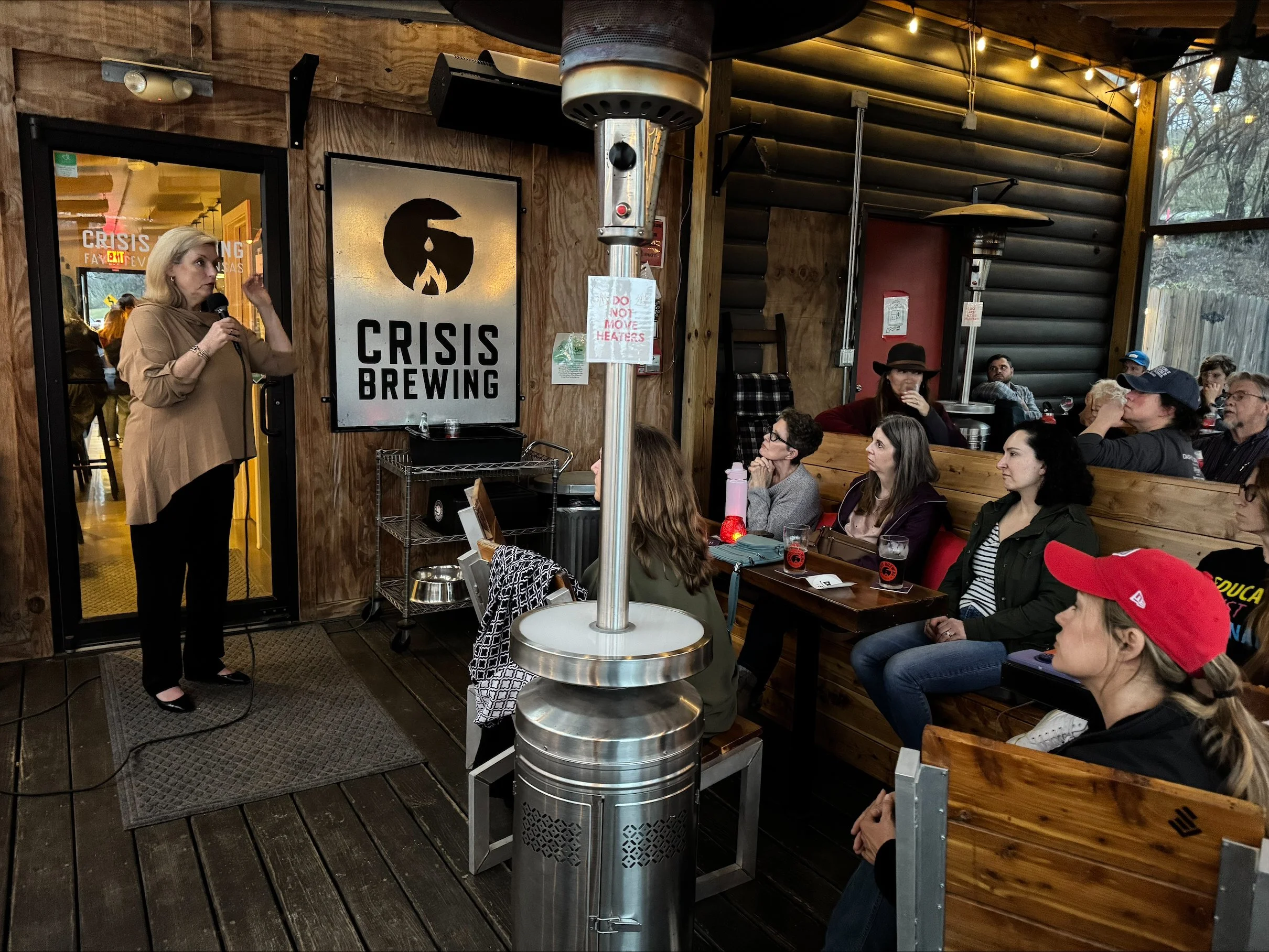
At the Drinks & Dialogue event at Crisis Brewing last week, with the League of Women Voters of Washington County, speaker Janet Harris, the executive director and CEO of the Winthrop Rockefeller Institute, drove all the way up from Conway to talk with us about civic engagement.
ICYMI (In Case You Missed it)
If you’re not familiar with Winthrop Rockefeller, he served as the governor of Arkansas from 1967-1971 after Orville Faubus. In 1967, Rockefeller signed into law the Arkansas Freedom of Information Act (FOIA), considered one of the “strongest and best models for open government by investigative reporters and others who research public records for various purposes.” The FOI Act faced challenges in 2023, inspiring a citizen-led ballot initiative to preserve it. That initiative didn’t quite make it onto the ballot. But the FOIA law has been a lasting legacy of Governor Rockefeller.
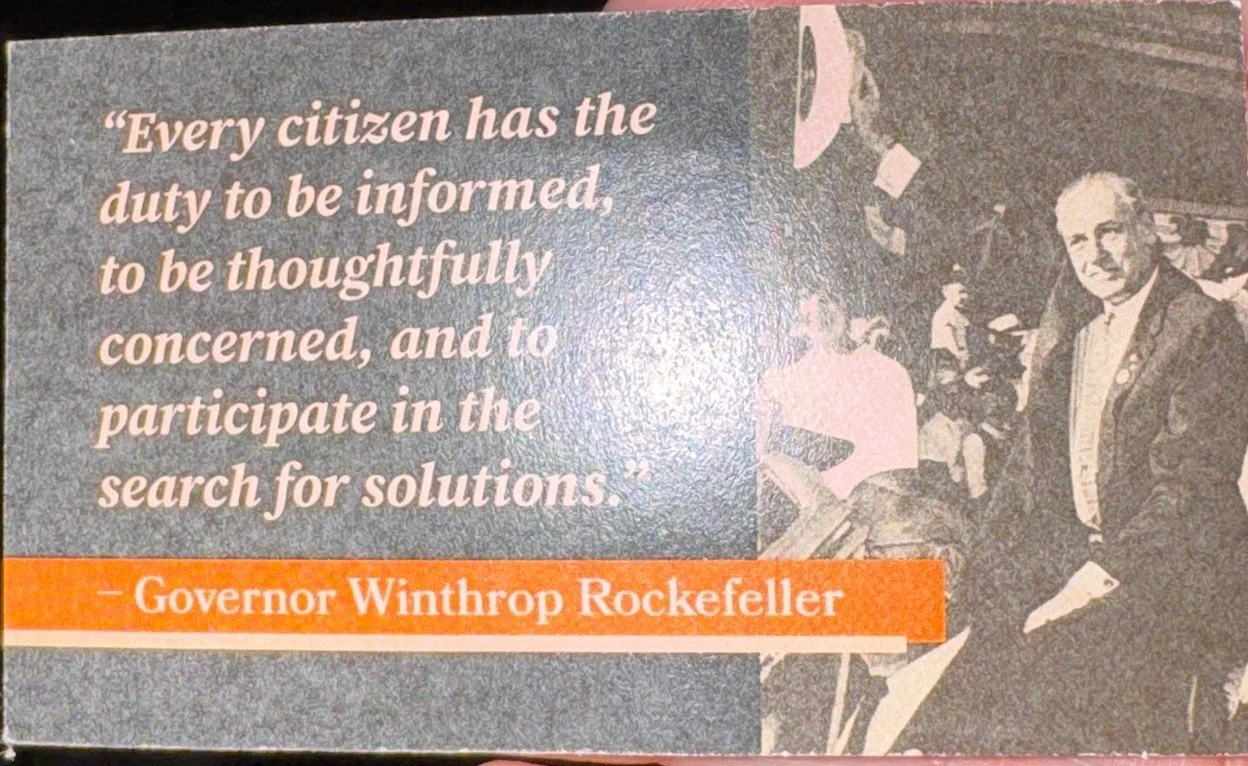
Harris discussed the “Rockefeller Ethic with the belief that diversity of opinion, engaging in respectful dialogue, and practicing collaborative problem-solving combine to create transformational change.” She said that every citizen has a duty to be informed and participate in the search for solutions.
Harris encouraged the group to visit the Rockefeller Institute website and review the 2023 Arkansas Civic Health Index Report to better understand civic health in Arkansas. She said there are 10,000 points of data covering questions such as: how well do Arkansans feel connected to one another, what are the barriers to voting, do Arkansans trust the media, and do Arkansans have enough quality civic spaces? Harris said that understanding the Civic Health Index Report might give League members insights into how to reduce barriers to both civic engagement and voter turnout. She said one initiative of the Winthrop Rockefeller Institute is to provide a quality civic space to “be thoughtfully concerned” and inspire respectful dialogue.
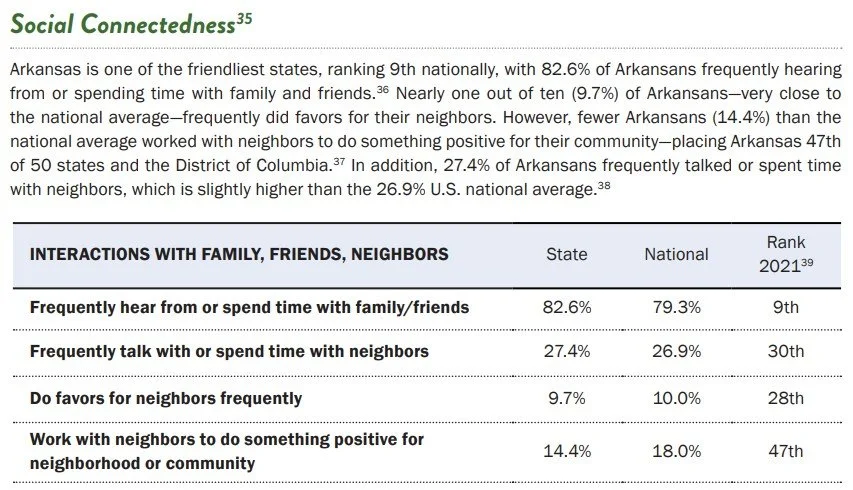
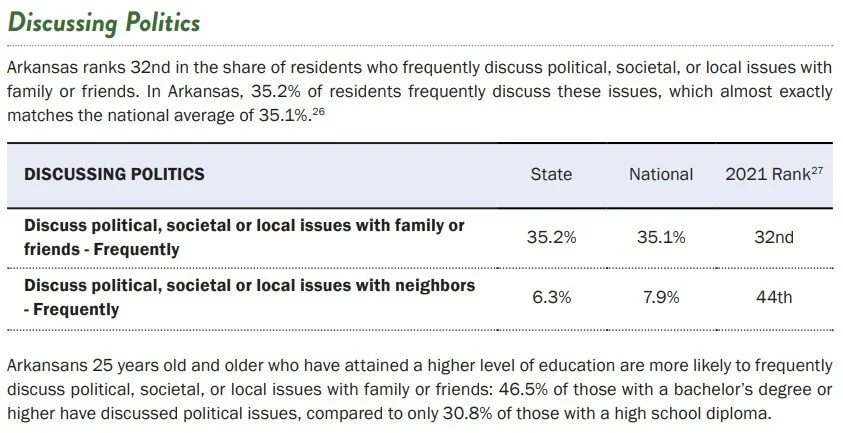
Below is data from the 2023 Arkansas Civic Health Index, which was completed in partnership with the Clinton School of Public Service at the University of Arkansas and released in December 2023 by the National Conference on Citizenship.
From listening sessions with Arkansans in 2024, three key themes emerged:
Civic Education — a desire for more civic learning and skill-building opportunities, especially in understanding the roles and responsibilities of local government. (The Rockefeller Institute piloted the Arkansas Collegiate Civic Leadership Academy in the 2025-2026 academic year for college juniors and seniors to empower them with the knowledge, skills, and experiences necessary to become effective community leaders.)
Civic Spaces — a desire for more intentional spaces where people can connect and engage within their communities.
Access to News and Information — the need for more trusted, localized news sources throughout the state and a central place to find local information.
Harris also served as the Arkansas Deputy Secretary of State for eight years (2003-2011), where she oversaw the implementation of electronic voting statewide. As we reviewed last week’s voter turnout of 23.58% (of registered voters), she said Arkansas could learn something from states with higher voter engagement, such as Minnesota and Oregon, where they encourage more mail-in voting.
Voter Turnout in Washington County for the March 3, 2026, election, from the County Election Commission website:
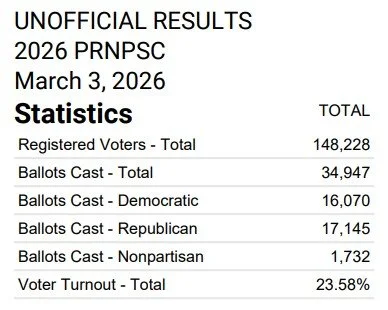
The group discussed voter apathy in our recent election here in Arkansas with the Washington County voter turnout rate of 23.58%, something Harris says needs to be addressed. People often do not think their vote makes a difference. But in local elections, as we witnessed this week, some of those are won with a couple of hundred votes. In the runoff elections later this month, it could be won by dozens of votes. Each of our votes matters. One data point that is highlighted from the Arkansas Civic Health Index Report shows that 73.2% of Arkansans with a Bachelor’s degree vote. This demonstrates that low voter turnout might be a result of an education gap.
Harris states that many voters of color don’t have access, but that most people who vote are older, white, and affluent. Many who don’t vote don’t have transportation, and many younger people also don’t vote. All of these factors must be considered when trying to answer the question of why Arkansas has among the lowest voter registration rates in the country and the lowest voter turnout nationwide. One data point Harris did point out is that Arkansas scored much higher on social connectedness. Arkansans like their neighbors. “Which may be why the dark money campaigns in the state this election failed,” she said. Harris also noted that Arkansans didn’t like the negative campaigning about candidates they knew. “Maybe that is something we can focus on: Arkansans like each other.”